• Home
  • About
  • Services
    • Commercial
    • Automotive
    • Truck Spots
    • Corporate Narration
    • Political
    • Gritty Voice Over
    • Feature Film
    • Pacific Northwest
    • Mountain West
    • Concert Promos
  • Demos
    • Commercial
    • Corporate
    • Automotive
    • Concert Promos
  • Work
  • Blog
  • Policies
  • FAQ
  • Clients
  • Contact

top rated idaho voice actor

How a CPAP Changed My Life: A Sleep Apnea Story

March 4, 2026 by Rich Summers

When Sleep Became the Enemy

I didn’t realize how bad my sleep apnea had gotten or how hard it was hammering my body. My breathing was stopping 20 to 30 times an hour. I’d jolt awake gasping for air, heart racing, brain fog thick as smoke in a slash burn pile. Some nights I woke up drenched. Other nights came with nightmares. My oxygen levels were dropping, my blood pressure stayed high, and my mouth and throat felt baked dry. It got to the point where I resisted falling asleep. My tinnitus kept getting louder too. For that, I blamed years in radio; headphones, concerts, and high‑volume events. I never connected it to the apnea.

One Month With a CPAP Changed Everything

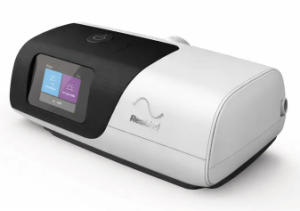
A month ago (Feb. 3), I finally strapped on a CPAP. The nose‑pillow mask took some adjusting, but the impact hit fast. The first night, my AHI dropped from 20 – 30 events an hour to 3.2.
I slept almost five straight hours. The morning fog was gone. For the first time in years, I felt like I’d actually hit REM sleep. Since then, I haven’t skipped a night. I’m sleeping seven to ten hours. My AHI stays between less than one and four (well within the normal range). I wake up with energy. I don’t crash midday. My mouth and throat aren’t desert‑dry, and my voice holds strong longer each day, which matters when your job depends on it.

The Unexpected Wins

My Blood Pressure: Much more stable now. Still a little high at times, but some of that’s heredity. It’s not all over the map like it was before. I am still on BP meds.

My tinnitus? Nearly silent now. What used to sound like a tiny jet turbine in my ears is barely noticeable. There’s a strong connection between sleep apnea and tinnitus, and once you look it up, the dots connect fast.

Another change: losing belly fat. Untreated apnea stresses the body, stress spikes cortisol, and cortisol packs on fat. When the stress eases, your body finally gets to stand down.

And yes, treating sleep apnea can improve ED. As a prostate cancer survivor, I’ll let you read between the lines.

The Straight Truth

If any of this sounds familiar — gasping awake, brain fog, dry mouth, high blood pressure, worsening tinnitus, or bone‑deep fatigue — you might need a sleep study. I avoided it for too long because I didn’t want something strapped to my face at night.

But that mask likely saved my life.

RESOURCES
Idaho man sharing personal sleep apnea story

The CPAP I use nightly: CLICK HERE

Mayo Clinic: Sleep Apnea Overview

The American Academy of Sleep Medicine


Listen to my Demos: CLICK HERE
View my YouTube channel: CLICK HERE
Check out my art website: CLICK HERE
Follow me on Instagram: CLICK HERE

CONTACT ME

Filed Under: Idaho Voice Actor, Voiceover Life, Voiceover Talent in Boise Tagged With: Boise voice actor, CPAP, CPAP success story, health journey, Idaho health, Idaho voice actor, men’s health, REM sleep, sleep apnea, sleep disorder, tinnitus, top rated idaho voice actor, voice actor life

How to Start in Voice Over: Beginner Tips from a Working Pro

February 15, 2026 by Rich Summers


Gritty and gravelly voice actor Rich Summers
Thinking About Getting Into Voice Over? Here’s What I’d Tell You First

If you’re new to voice over, I’m going to tell you something up front that I wish someone had told me early on:

You Don’t Need a “Perfect” Voice to Start in Voice Over

 A “perfect” voice is not a pre-requisite. You need skills, consistency, and a little patience.

A lot of beginners get stuck wondering if their voice is “good enough.” The truth is, there’s no single voice that works for everything. Commercials, narration, corporate videos, video games, etc., they all need different sounds. What clients really want is someone who sounds natural, clear, and believable.

That’s the part you can learn.


Your Recording Space Matters More Than Expensive Gear

Let’s talk equipment, because this is where people tend to overthink things.

You do not need an expensive studio to get started. What you do need is a quiet space with as little echo and background noise as possible. Closets, treated corners, portable booths; those can all work if you set them up right.

Bad audio will cost you auditions faster than a bad read. So focus on controlling your space first. Start with solid, basic gear and upgrade later. Skill always comes before equipment.


Don’t Just Read the Script — Talk to Someone

This is a big one.

Voice over isn’t about reading words off a page. It’s about understanding who you’re talking to and why you’re talking to them.

It’s something I had to learn. Before I record anything now, I ask myself:

  • Who am I speaking to?

  • What’s the point of this message?

  • How should this feel?

Even something like corporate narration or e-learning still needs intention. If you focus too much on how your voice sounds, the read usually feels stiff. If you focus on meaning, the performance starts to click.

Talk to one person. Keep it real.


Practice Voice Over Like a Professional (Even Before You’re Paid)

You don’t need paid gigs to practice professionally.

When I was starting out, I spent a lot of time:

  • Reading real scripts out loud

  • Recording myself and listening back (yes, it’s uncomfortable)

  • Trying multiple reads of the same script

  • Mimicking spots I heard on the radio in my car.

Listening back is where the growth happens. It’s not always fun, but it works.

And coaching? Worth it. A good coach can save you years of guessing and bad habits.


Don’t Rush Your Voice Over Demo

I see this mistake all the time.

Your demo is not a “learning tool.” It’s a marketing tool. If you rush it, you’re basically telling clients you’re ready when you’re not.

Before investing in a demo, make sure you:

  • Can deliver solid reads consistently

  • Know what styles fit you best

  • Have gotten real feedback from people who work in the industry

There’s no rush. A strong demo opens doors. A weak one quietly closes them. A bad demo is worse than no demo. Believe me.


Treat Voice Over Like a Business from Day One

Even if voice over is just a side thing right now, it’s still a business.

That means learning how to:

  • Communicate professionally

  • Meet deadlines

  • Deliver clean audio

  • Understand basic usage and expectations

Clients remember people who are easy to work with. Talent gets attention. Professionalism gets repeat work.


Ignore the “Get Rich Quick” Voice Over Noise

Voice over isn’t a shortcut career. It’s a craft.

Some weeks you’ll book. Some weeks you won’t. That’s normal – even when you’re established. What matters is showing up, practicing, and improving a little at a time.

If you build good habits and stay consistent, momentum comes.


Final Thoughts for New Voice Actors

If you’re just starting out and feeling unsure, that’s normal. Everyone I know in this industry, including me, started out wondering if they were good enough.

The people who stick around are the ones who stop chasing shortcuts and start building skills.

If you’re early in your voice over journey and want straightforward guidance, with no hype, no pressure, I’m always happy to point people in the right direction. Whether that’s feedback on a read, advice on next steps, or just answering a few questions, reach out and say hello.

Your voice already has value. Now it’s about learning how to use it.

Some great coaching resources (There are a lot of great VO coaches. These are some of the coaches I’ve worked with. When choosing a coach, make sure you are compatible with them and they are able to coach you in the genres you’re looking to explore).

Tina Morasco
David Alden
Marc Cashman
Mary Lynn Wissner
J. Michael Collins
Bruce Kronenberg

Additional resources:

Gravy For The Brain
Voice Over Resource Guide
Voice Actor Websites

CHECK OUT MY DEMOS      CONTACT ME

Filed Under: Idaho, Idaho Voice Actor, Voiceover Talent in Boise Tagged With: beginner voice acting advice, Boise voice actor, home recording space, how to become a voice actor, how to start in voice over, Idaho, Idaho voice actor, starting a voice over career, top rated idaho voice actor, voice acting practice, voice over basics, voice over demo advice, voice over equipment for beginners, voice over tips for beginners

Why Patience Fuels My Voiceover Career

January 24, 2026 by Rich Summers

🎙️ The Quiet Power of Patience in My Voiceover Journey

If there’s one lesson this industry keeps teaching me, it’s patience. Nothing ever seems to happen as fast as I want it to. I can pour everything I’ve got into an audition, hit submit, feel that spark of possibility… and then silence. Sometimes for days. Other times for weeks. And then some forever. That’s just part of the deal. I’ve learned that patience isn’t optional in voiceover.

Patience in voice acting is essential.

🕰️ The Space Between Effort and Outcome

Producers have their own timelines, their own chaos, their own shifting priorities. Casting decisions move slowly. Projects stall. Clients change direction. I might be perfect for a role, but the timing just isn’t right. I can’t control any of that. What I can control is how I show up.

🎯 Submit, Forget, Move On

The healthiest habit I’ve built is simple:
Do the audition. Give it everything. Submit it. Then forget it and move on.
Not because I don’t care. Not because the opportunity isn’t exciting.
But because my energy is better spent on the next read, the next character, the next chance to grow. Every audition is a seed. Some sprout fast. Others take months. While some never break the surface. My job is to keep planting.

🧭 Patience Isn’t Waiting — It’s Working

Being patient doesn’t mean sitting around hoping the phone rings. It means staying consistent. Honing my craft. Showing up with grit and professionalism even when the results aren’t immediate. It means trusting that the work I’m doing today is building the foundation for tomorrow.

🏔️ I’m Playing the Long Game

A voice over career isn’t built overnight. It’s built through thousands of auditions, small wins, and a stubborn refusal to quit. When I embrace patience, I stop chasing outcomes and start mastering the process. And that’s where the real growth happens.
So I keep submitting. I keep forgetting. I keep moving forward.
My next “yes” will show up when it’s meant to — and I’ll be ready for it.

Remember, patience in voice acting…is essential.

Listen to my Demos: CLICK HERE
View my YouTube channel: CLICK HERE
Follow me on Instagram: CLICK HERE
Check out my art website: CLICK HERE

CONTACT ME

Filed Under: Idaho, Idaho Voice Actor, Voiceover Talent in Boise Tagged With: #HireHuman, acting career, auditions, Boise, creative career, Idaho voice actor, Idaho Voiceover Artist, mindset, patience, performance industry, top idaho voice talent, top rated idaho voice actor, top rated voice actor, top voice talent, VO tips, voice acting, voiceover

What Directors Really Need From a Voice Actor

January 21, 2026 by Rich Summers

What Directors Really Need From a Voice Actor (But Rarely Say Out Loud)

In production, deadlines move fast and expectations run high. Directors and producers aren’t just looking for a “good voice” — they’re looking for a voice actor who understands the pressures of the job and delivers work that makes the entire process smoother.
As an Idaho voiceover artist with a grounded, authentic sound, I’ve seen firsthand what directors value most but don’t always say out loud.

A Voice Actor Who Listens Before They Perform

Great performances start with listening. Directors want a voice actor who understands:
• The emotional target
• The subtext behind the script
• The tone they meant, not just the tone they said
Listening well means fewer takes, faster sessions, and a final read that hits the mark.

Someone Who Takes Direction Without Ego

Direction is part of the craft. Whether a director asks for:
• More grit
• Less energy
• A more lived‑in feel
…they need a voice actor who adapts instantly. Flexibility builds trust — and trust keeps projects moving.

Reliability That Doesn’t Need Explaining

Directors want a voice actor who delivers:
• Clean, broadcast‑ready audio
• Clear file labeling
• Fast turnaround times
• Professional communication
When reliability is a given, the creative work can shine.

Authenticity Over Performance

Today’s audiences crave realness. Directors want a voice that feels:
• Human
• Grounded
• Honest
• Experienced
That’s where a rugged, Idaho‑forged tone stands out. Authenticity cuts through the noise and elevates the story.

Understanding the Bigger Picture

A voice actor isn’t just reading lines — they’re contributing to:
• Brand identity
• Narrative flow
• Emotional impact
• Client goals
Directors appreciate talent who sees the full vision, not just the script in front of them.

A Creative Partner, Not Just a Performer

The best sessions feel collaborative. Directors want a voice actor who:
• Offers options
• Brings ideas
• Solves problems
• Supports the story
When the booth becomes a partnership, the final product becomes stronger.

Why This Matters for Clients

Hiring the right voice actor means:
• A smoother workflow
• Stronger storytelling
• Faster delivery
• A more authentic final product
If your project needs a voice with grit, truth, and Idaho‑rooted authenticity, I’d love to help bring it to life.

Listen to my Demos: CLICK HERE
View my YouTube channel: CLICK HERE
Check out my art website: CLICK HERE

CONTACT ME

Filed Under: Idaho, In Voice Industry | comments, Uncategorized, Voiceover Talent in Boise Tagged With: #HireHuman, Authentic Voice Talent, Commercial Voiceover Advice, Hiring a Voice Actor, Idaho Voiceover Artist, Production Collaboration, Professional Voice Actor Tips, Rugged Voice Actor Style, top rated idaho voice actor, top rated idaho voice talent, top rated voice talent, Voice Actor Workflow, voiceover for Directors, Voiceover Production Insights, Voiceover Talent in Boise

Why I always say #HireHuman

December 30, 2025 by Rich Summers

Human Voice Actor vs AI Voice: Why Real Voices Still Matter

I often get asked why I comment on projects posted online that use AI-generated voices with nothing more than #HireHuman.

The answer is simple: I am a human voice actor.

Why I Always Say #HireHuman

In an era where artificial intelligence can generate voices at the click of a button, many creators and brands feel tempted to treat AI voiceovers as a replacement for human performers. AI advocates promote speed, cost savings, and convenience. But when a project truly needs impact, authenticity, and emotional connection, a human voice actor remains the superior choice. The difference isn’t technical alone. It’s human. It’s emotional. And it shapes how audiences connect with spoken language.

At the heart of voice acting lies emotional intelligence. Human voice actors instinctively understand tone, pacing, emphasis, and subtext in ways AI simply cannot replicate. We read between the lines. We sense when to pause for impact, soften a phrase for sincerity, or add grit for authority. These choices don’t happen by accident. They come from lived experience, empathy, and intuition.

AI voices may sound polished and consistent, but they lack emotional depth. That absence makes dialogue feel manufactured instead of authentic. Watch a few YouTube videos that rely on AI narration and the pattern becomes obvious. The voices quickly reveal themselves as artificial.

Authenticity Builds Audience Trust

Authenticity matters most in projects built on trust and connection—commercials, documentaries, corporate messaging, video games, and narration. Audiences are perceptive. Even when they can’t immediately identify an AI voice, they sense when something feels off. A human voice carries breath, texture, and nuance. These qualities signal presence and honesty. They aren’t flaws; they’re what make a voice believable.

When listeners hear a real person, they hear intention, conviction, and personality. Those qualities drive engagement and credibility.

Adaptability and Creative Collaboration Set Humans Apart

Adaptability also separates human voice actors from AI. Scripts evolve. Direction changes. Creative visions shift mid-session. Human voice actors respond in real time. We take feedback, reinterpret lines, explore alternate reads, and collaborate with directors and producers to serve the story.

AI voices, including those generated by platforms like Eleven Labs, operate within predefined parameters. They can produce variations, but they don’t understand why a change matters or how it serves the narrative. Human voice actors actively solve creative problems and often elevate a script beyond what appears on the page.

Storytelling Requires More Than Sound

Storytelling further highlights the difference. Whether we portray a character, sell a product, or narrate complex ideas, we shape performances around narrative intent. We understand arc, tension, and rhythm. We sustain emotional continuity across long-form projects.

AI-generated voices may maintain consistency in sound, but they struggle to maintain consistency in feeling. Over time, that emotional flatness weakens immersion and dulls the message.

Supporting Ethical and Artistic Values

Choosing human voice actors also reflects ethical and artistic values. It supports a profession grounded in skill, training, and experience. It ensures voices are used with consent and accountability. For brands and creators, that choice signals a commitment to quality, originality, and respect for the audience.

In the end, voiceover isn’t just about speaking words. It’s about communicating meaning.

AI-generated voices can work for placeholders, scratch tracks, or low-stakes applications. But any project that demands authenticity, emotional connection, and creative depth benefits from a human voice. A real voice doesn’t just deliver lines—it brings them to life.

That’s why I always say: #HireHuman.

The Case for #HireHuman

Please check out my demos. If you’d like a custom read, let me know. I’m always happy to show you that the voice you’re looking for is just an email away

CONTACT ME

Find out more about AI and what the National Association of Voice Actors is doing to keep human voice actors working and protected. CLICK HERE

What’s it like living in the mountains of Idaho and being a voice actor? CLICK HERE

Filed Under: In Voice Industry | comments, Voiceover Talent in Boise Tagged With: #HireHuman, AI generated voice, AI voice vs human voice, authentic voiceover, brand storytelling, commercial voiceover, emotional voice acting, ethical voiceover, hire human voice, Hire Human Voice Actors, human voice actor, Idaho voice actor, narration services, professional voiceover, real human voice, top idaho voice talent, top rated idaho voice actor, top rated voice actor, voice acting, voice actor, voice over, voiceover artist, voiceover demos, Voiceover Talent in Boise

You’ve Got A Great Voice – You Should Do Voice Overs!

July 12, 2022 by Rich Summers

You’ve Got a Great Voice — But Should You Really Do Voiceovers?

People say it all the time: “You’ve got a great voice — you should do voiceovers!”
If you’ve ever heard that and wondered whether voice acting is your next big move, you’re not alone. As a professional voice actor based near Boise, Idaho, I’ve heard that line more times than I can count. And years ago, I even believed it myself.
But here’s the truth: having a great voice is not the same as having a voiceover career.

The Myth of the “Great Voice”

There’s a standard running story in the VO world:
Someone hears you talk, tells you your voice is amazing, and insists you should be doing commercials, narrations, or animation. What they don’t realize is that voiceover is a craft, not a compliment. When I transitioned from a long career in broadcast radio into voice acting, I thought my polished delivery and on‑air experience would give me a head start. Instead, it nearly sank me. Casting directors didn’t want “announcers.” Agencies didn’t want “DJs.”
They wanted real, grounded, conversational performances — and I had to unlearn years of radio habits to get there.

The Hard Reality of Starting a Voiceover Career

My wake‑up call came when I booked a major national beverage spot early on. I thought I’d made it. But when it came time to record the final script, I couldn’t recreate the audition read. I lost the job — and it stung. But it also changed everything. That failure forced me to face the truth: A great voice means nothing without training, coaching, and practice.  

So I humbled myself, invested in coaching, watched everything I could, practiced relentlessly, and rebuilt my entire approach to performance. Eventually, I earned representation, booked more work, and started building a real, sustainable VO career.

What You Actually Need to Succeed in Voiceovers

If you’ve been told you should “do voiceovers,” here’s what you really need to know:

1. Coaching Is Non‑Negotiable

Even top actors and athletes work with coaches. Voiceover is no different. Good coaching helps you develop technique, range, authenticity, and consistency.

2. Practice Is Everything

You can’t rely on natural talent. You need to practice scripts, genres, pacing, emotional nuance, and mic technique — constantly.

3. Professional Demos Matter

Once you’re ready, professionally produced demos are your calling card. They’re how agents and clients decide whether to hire you. They’re not cheap, but it’s an investment into your business, and you.

4. You’re Building a Business, Not Just a Skill

Voiceover requires marketing, networking, auditioning, and ongoing training. It’s a craft and a business.

Is Voiceover Worth It?

Absolutely — if you’re willing to put in the work. Today, I book regional and international projects, continue to train, and keep pushing toward that elusive national brand campaign. I’m miles ahead of where I started, and I love what I do. But it’s not easy, and it’s not instant. If you’re serious about becoming a voice actor, commit to the process.
If you’re not, enjoy the compliment — and keep your day job.

Final Thoughts

If people tell you that you’ve “got a great voice,” take it as a starting point, not a guarantee. Voiceover is a rewarding career, but it demands dedication, humility, and constant growth.
If you ever want guidance, insight, or a nudge in the right direction, feel free to reach out. Many people helped me along the way, and I’m always happy to pay it forward.

Some great coaching resources (There are a lot of great VO coaches. These are some of the coaches I’ve worked with. When choosing a coach, make sure you are compatible with them and they are able to coach you in the genres you’re looking to explore).

Tina Morasco
David Alden
Marc Cashman
Mary Lynn Wissner
J. Michael Collins
Bruce Kronenberg


CHECK OUT MY DEMOS      CONTACT ME


Filed Under: Idaho, Idaho Voice Actor, In Voice Industry | comments, Voiceover Talent in Boise Tagged With: becoming a voice actor, Boise, Boise voice actor, creative careers, Idaho, Idaho voice actor, performance training, starting a voiceover career, top idaho voice talent, top rated idaho voice actor, top voice talent, voice acting, voice actor, voice over, voiceover, voiceover coaching, voiceover myths, Voiceover Talent in Boise

  • Page 1
  • Page 2
  • Go to Next Page »

Primary Sidebar

Categories

  • Idaho
  • Idaho Life
  • Idaho Voice Actor
  • In Voice Industry | comments
  • Uncategorized
  • Voiceover Life
  • Voiceover Talent in Boise
  • Wildlife Stories

Archives

  • April 2026
  • March 2026
  • February 2026
  • January 2026
  • December 2025
  • July 2022

©2022 Rich Summers // Voice Over Site by Voice Actor Websites